
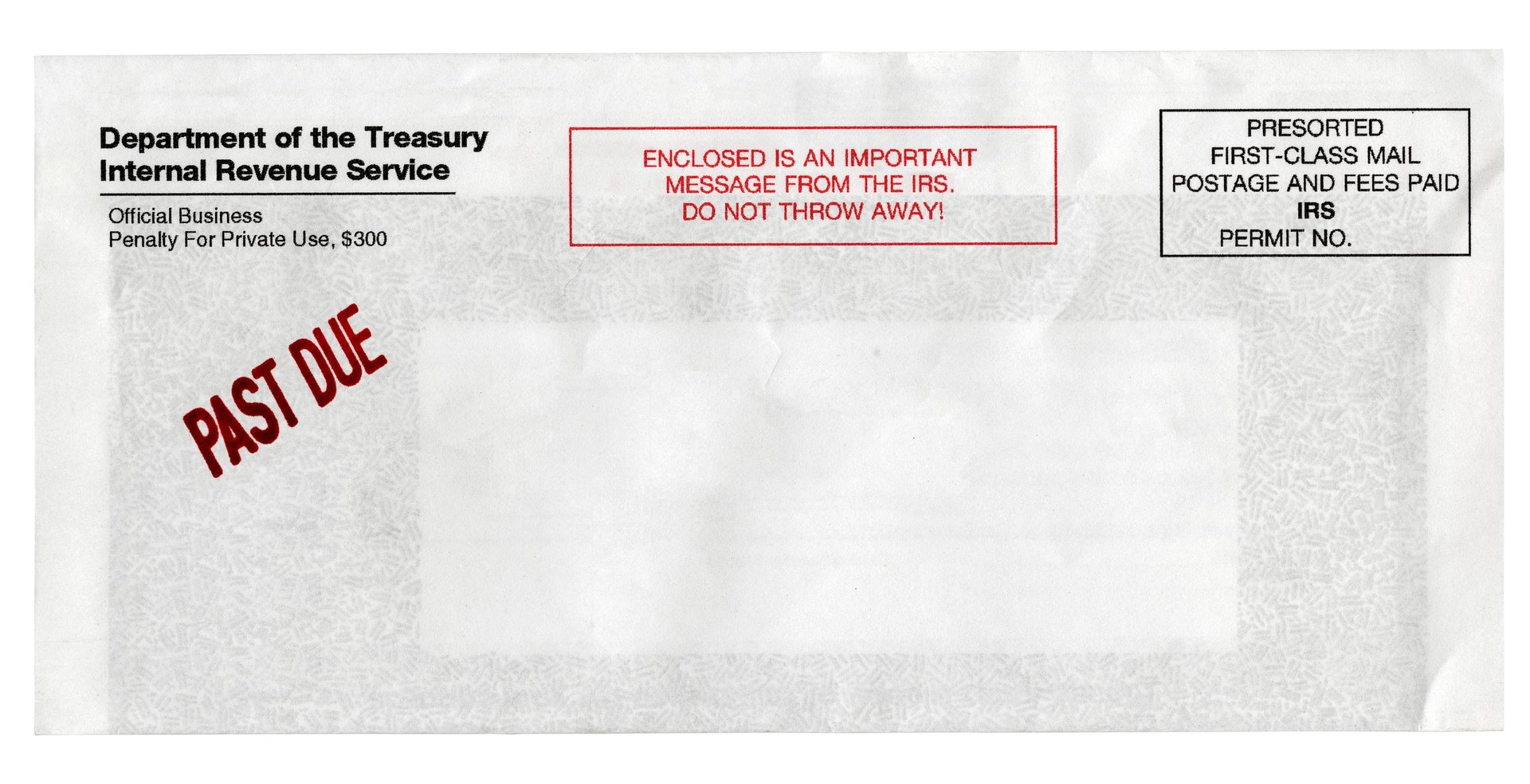
IRS Notice Guide: Identify & Respond to Every IRS Letter
Receiving an IRS notice is stressful — but you are not alone. This guide explains exactly what each notice means, how urgent it is, what mistakes to avoid, and the steps you need to take right now to protect your assets and resolve your tax debt.
Each notice includes what it means, deadlines, what NOT to do, and recommended next steps.
Free & confidential. No obligation.
Get Your Free Tax Relief Review
A specialist will review your case and outline your options — completely free.
Get Your Free Tax Relief Review
Tell us about your situation. A specialist will contact you within 24 hours.
Get Your Free Tax Relief Review
A specialist will review your case and outline your options — completely free.
IRS Notice Reference Library
Organized by urgency level. Find your notice below and follow the recommended steps. Each card includes what the notice means, deadlines, critical mistakes to avoid, and what to do next.
CRITICAL NOTICES — Immediate Action Required
Final Notice — Intent to Levy
The IRS is preparing to seize your assets, bank accounts, or wages. You have 30 days to respond before levy action begins. This is not a warning — it is a final notice that the IRS intends to enforce collection.
30 days from notice date before levy action begins.
What NOT to Do
- Do not ignore this notice — the IRS will proceed with levy.
- Do not call the IRS directly without professional help.
- Do not withdraw all funds — this can trigger bank account monitoring.
Recommended Next Steps
- Contact a tax professional immediately — same-day response recommended.
- Request a Collection Due Process (CDP) hearing to pause enforcement.
- Gather all financial documents: bank statements, pay stubs, bills, and asset records.
Final Notice of Intent to Levy & Your Right to a Hearing
This is the last letter before levy action. You have 30 days to request a Collection Due Process hearing. The LT11 is mailed certified and represents the IRS's final notice before enforced collection.
30 days from notice date to request a CDP hearing.
What NOT to Do
- Do not miss the 30-day CDP hearing deadline — it is strict.
- Do not assume the IRS will negotiate after ignoring this letter.
- Do not attempt to hide or transfer assets — this can trigger additional penalties.
Recommended Next Steps
- File Form 12153 (Request for Collection Due Process Hearing) within 30 days.
- Work with a tax professional to prepare your financial disclosure.
- Review all resolution options: OIC, installment agreement, or CNC status.
Final Notice — Right to a Hearing
Final notice before the IRS levies. Similar to LT11 but issued for different IRS collection stages. Letter 1058 is sent by Automated Collection System (ACS) and carries the same urgency as LT11.
30 days from notice date to request a CDP hearing.
What NOT to Do
- Do not assume this is less serious than an LT11 — it carries identical legal weight.
- Do not agree to a payment plan you cannot afford under pressure.
- Do not ignore the certified mail receipt — the IRS tracks delivery.
Recommended Next Steps
- File Form 12153 immediately to preserve your hearing rights.
- Request your IRS account transcript to verify the balance and tax periods.
- Contact a tax relief specialist to evaluate settlement options before the deadline.
Final Notice of Intent to Levy & Notice of Your Right to a Hearing
Issued when the IRS intends to levy your state tax refund and other federal payments. Similar in urgency to the CP504 but specifically targets state tax refund offsets through the Treasury Offset Program. You have 30 days to request a Collection Due Process hearing.
30 days from notice date to request a CDP hearing.
What NOT to Do
- Do not assume this is only about state refunds — the IRS may escalate to other levies.
- Do not miss the 30-day CDP hearing window.
- Do not file a new state return expecting a refund without addressing the underlying debt.
Recommended Next Steps
- File Form 12153 within 30 days to preserve your CDP hearing rights.
- Pull your IRS account transcript to verify the balance and all tax periods.
- Explore resolution options: installment agreement, OIC, or CNC status through the CDP process.
URGENT NOTICES — Respond Promptly
Second Reminder — Balance Due
The IRS sent a CP501 and you haven't responded. This is more urgent. Penalties and interest continue to accrue daily, and the IRS is escalating your case toward enforced collection.
Respond before the next notice (typically CP504) arrives — approximately 4–5 weeks.
What NOT to Do
- Do not continue to ignore — the next step is a CP504 intent to levy.
- Do not pay without understanding your full resolution options.
- Do not assume the balance shown is correct — IRS notices can contain errors.
Recommended Next Steps
- Pull your IRS account transcript to verify the balance and tax periods.
- Determine if you qualify for penalty abatement (First Time Abate or reasonable cause).
- Explore payment options: full pay, installment agreement, or Offer in Compromise.
Public Record Filing
The IRS has filed a public document alerting creditors the government has a legal right to your property. A tax lien attaches to all current and future assets and appears on your credit report.
The lien is already filed — act immediately to discuss withdrawal, release, or subordination options.
What NOT to Do
- Do not try to sell or refinance property without addressing the lien.
- Do not assume the lien amount is correct — verify with your IRS transcript.
- Do not ignore lien refile periods — liens can be refiled after the CSED in some cases.
Recommended Next Steps
- Request a lien withdrawal if you qualify (Direct Debit Installment Agreement option).
- Explore lien subordination if you need to refinance or sell property.
- Determine if a lien discharge for specific property is appropriate.
IMPORTANT NOTICES — Best Time to Act
Balance Due — First Notice
Your first notice that you owe the IRS money. This is your best opportunity to resolve the issue before penalties grow and enforcement escalates. The CP14 is the IRS's initial balance-due notice after a return is processed.
The notice will state a payment due date — typically 21 days from the notice date.
What NOT to Do
- Do not ignore this notice — it starts the IRS collection timeline.
- Do not assume you cannot afford to resolve it — many options exist.
- Do not call the IRS without understanding your taxpayer rights.
Recommended Next Steps
- Verify the amount is correct by reviewing your return and IRS transcript.
- If you agree with the balance, explore payment options: full pay, short-term extension, or installment agreement.
- If you disagree, respond in writing with supporting documentation.
Reminder — Balance Due
A follow-up to CP14. The IRS is reminding you that a balance remains unpaid. At this stage, the IRS has not yet escalated to enforcement, but penalties and interest continue to compound.
Respond before the CP503 arrives — typically 4–5 weeks after this notice.
What NOT to Do
- Do not assume the IRS will forget — automated notices continue until resolved.
- Do not make a partial payment without a formal agreement in place.
- Do not ignore based on the amount — small balances accrue penalties too.
Recommended Next Steps
- This is the ideal time to set up an installment agreement before enforcement begins.
- Consider penalty abatement if you have a clean compliance history.
- If you believe the balance is incorrect, request an account transcript and file an amended return if needed.
Notice of Underreported Income
The IRS's Automated Underreporter (AUR) program has identified a discrepancy between the income you reported on your tax return and the income reported to the IRS by third parties (employers, banks, brokers, clients on 1099 forms). The CP2000 proposes additional tax and may include penalties and interest. This is not an audit — it is a computer-generated matching notice based on information returns.
30 days from the notice date to respond (extensions available on request).
What NOT to Do
- Do not ignore this notice — the IRS will eventually assess the proposed amount if you do not respond.
- Do not pay the proposed amount without verifying the third-party information is correct.
- Do not assume the IRS's calculation is right — information returns can be wrong, duplicate, or misclassified.
Recommended Next Steps
- Compare the CP2000 line by line against your return and records.
- If you agree with the proposed changes, sign and return the response form.
- If you disagree, respond in writing with documentation disputing the third-party information — corrected 1099s, proof of basis in sold assets, expense offsets, or documentation that income was reported on a different return.
Notice of Federal Tax Lien & Your Right to a Hearing
Notifies you that the IRS has filed a Notice of Federal Tax Lien (NFTL) against your property and explains your right to request a Collection Due Process hearing within 30 days. Unlike a generic lien notice, Letter 3172 is the formal CDP-triggering notice specifically sent after the NFTL has been filed.
30 days from the date of Letter 3172 to request a CDP hearing.
What NOT to Do
- Do not ignore this — a tax lien can damage your credit and affect property transactions.
- Do not try to transfer property to avoid the lien — this can trigger fraudulent conveyance claims.
- Do not assume paying the balance automatically removes the lien — you may need to request lien withdrawal separately.
Recommended Next Steps
- File Form 12153 within 30 days to request a CDP hearing — you may challenge the lien filing and propose collection alternatives.
- Request a lien withdrawal if you qualify (Direct Debit Installment Agreement, or if the lien was filed in error).
- Explore lien subordination if you need to refinance a mortgage or sell encumbered property.
How to Respond to Any IRS Notice
Every IRS notice follows the same basic response framework. Take these four steps regardless of which notice you received.
Don't Ignore It
Ignoring an IRS notice is the fastest path to enforced collection. Even if you cannot pay, responding early preserves your options and prevents penalties from growing.
Read It Carefully
Identify the notice number (CP__, LT__, or Letter __), the tax period it references, the amount owed, and the response deadline. Notices often contain errors — verify everything.
Gather Documents
Collect the notice itself, your tax return for the relevant year, IRS account transcripts, recent pay stubs, bank statements, and a list of monthly expenses. Organized records strengthen your position.
Get Professional Help
A tax relief specialist can verify the IRS's calculations, identify resolution programs you qualify for, negotiate on your behalf, and protect you from aggressive collection tactics.
Don't Face the IRS Alone
Every day you wait, penalties and interest grow. A tax relief specialist can review your notice, explain your options, and handle the IRS on your behalf — so you can focus on moving forward.
New Beginning Tax Solutions is a private tax resolution company. Not affiliated with the IRS or any government agency. Educational resources are for informational purposes only.
Received an IRS Notice? Get Professional Help Decoding It
Every IRS notice has a deadline — and the wrong response can make things worse. Our team can interpret any IRS letter and advise the correct next step.
IRS Notice AssistanceGet Help with Your IRS Notice
Free, confidential review. Tell us which notice you received and a specialist will explain your options.